Indian Tile Adhesive: Use, Review, Awareness, and Disadvantages of Wrong Application
A practical look at tile adhesive use in India, product awareness, installation benefits, and the risks of wrong application.
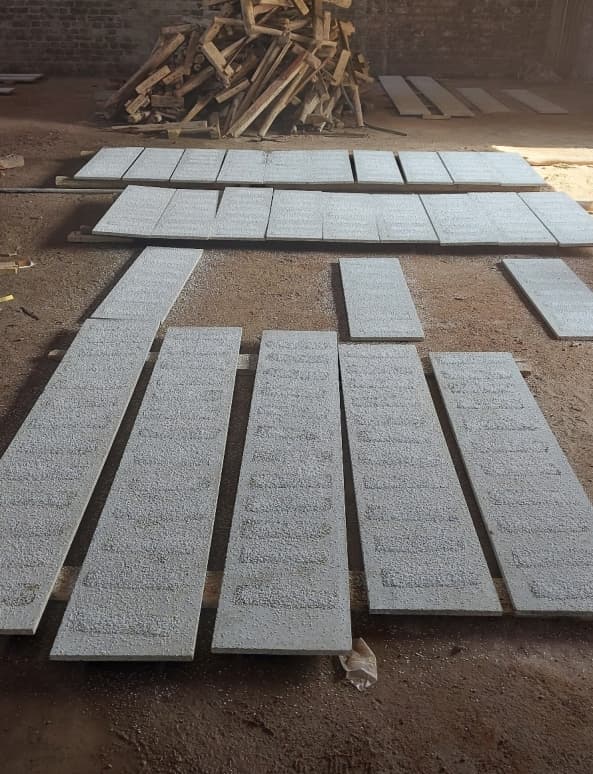

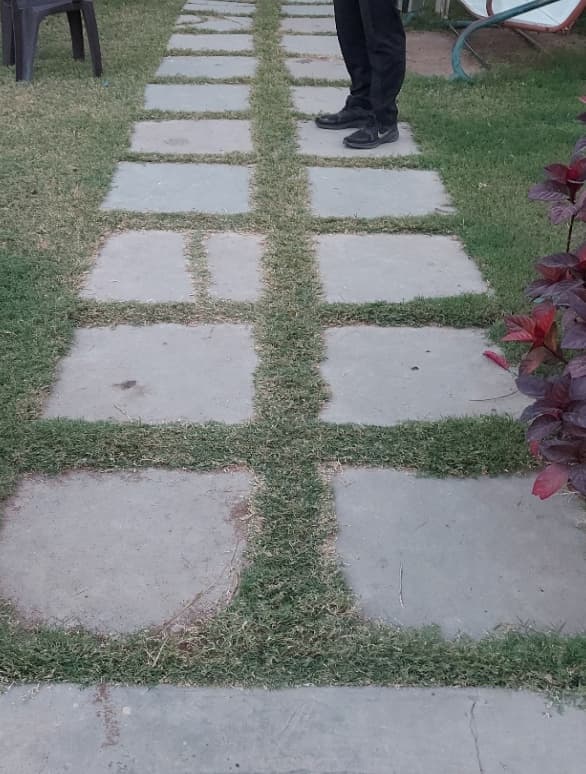
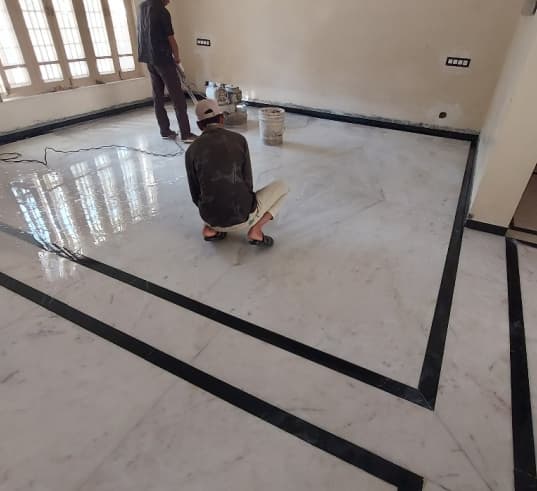
Tile adhesives have become a crucial component in modern construction and renovation projects across India. Earlier, traditional methods involving a cement-sand mortar were widely used for fixing tiles. However, with growing demand for better durability, precision, and aesthetics, professional builders and homeowners are increasingly turning to ready-to-use tile adhesives. Brands like VuRA Bau ,MYK,Laticrete, Roff, Weber, Fosroc, and Ardex Endura have introduced a range of adhesives tailored to different surfaces and tile types, revolutionizing tile installation practices across the country.
Use of Tile Adhesives in India
Tile adhesives are specially formulated bonding agents that ensure a strong, flexible, and durable attachment of tiles to various substrates like cement plasters, concrete slabs, plywood, and even existing tiles. The key uses of tile adhesives in India include:
- Fixing Ceramic Tiles: For both walls and floors in residential and commercial spaces.
- Vitrified Tile Installation: Requires specialized adhesives that can handle the low-porosity nature of vitrified tiles.
- Natural Stone Installation: Stones like granite, marble, and sandstone need adhesives with high load-bearing and non-staining properties.
- Glass Mosaic Applications: Pool areas and decorative walls often use fine adhesives suitable for delicate mosaics.
- Tile-on-Tile Application: Adhesives allow new tiles to be installed over old ones without needing to remove the existing surface.
Tile adhesives are available in multiple grades, such as normal setting, quick setting, flexible types for areas with movement (like terraces), and high-bond strength types for large-format tiles.
Review: Performance and Benefits
User and industry reviews of tile adhesives in India are highly positive. Some major benefits noted are:
- Superior Bond Strength: Adhesives create a strong bond between tiles and substrates, reducing chances of tile dislodgment.
- Flexibility: They absorb minor structural movements, avoiding cracks and tile failures.
- Ease of Application: Ready-to-mix powders reduce preparation time. Application using notched trowels ensures uniform coverage.
- Reduced Wastage: Only thin layers are needed, cutting down on material usage.
- Speed: Quick setting adhesives enable faster completion of projects.
- Neat Finish: Better surface leveling ensures aesthetically pleasing tile layouts.
- Suitability for Wet Areas: Special adhesives resist moisture, making them ideal for bathrooms, balconies, kitchens, and swimming pools.
Professionals appreciate that tile adhesives adapt better to modern large-format tiles, which traditional cement mortars often fail to support due to size and weight.
Awareness Levels in India
Awareness of tile adhesive usage is high in metropolitan and Tier-1 cities like Delhi, Mumbai, Bengaluru, and Hyderabad, where architects, consultants, and large developers specify their mandatory use in project specifications. Leading brands also conduct:
- Mason Training Programs: Educating applicators about proper usage.
- Dealer Awareness Sessions: Helping dealers guide customers on product selection.
- Site Demonstrations: Practical live demonstrations help installers understand correct mixing and application techniques.
- Social Media Campaigns: Online videos, tutorials, and influencer partnerships help spread knowledge among younger contractors and homeowners.
However, in semi-urban and rural areas, the use of tile adhesives is still relatively limited. Many builders stick to traditional cement-sand mortar due to cost perceptions, availability issues, or lack of exposure to better products. In these regions, increasing training and awareness remains a big opportunity for adhesive manufacturers.
Disadvantages of Wrong Application
Despite all the advantages, wrong application of tile adhesives can lead to major problems, often more severe than traditional issues. Some key disadvantages of incorrect application include:
- Tile Debonding: If an incorrect adhesive is selected (for example, a wall tile adhesive for a floor area), the tiles may eventually come loose.
- Hollow Sounds: Insufficient coverage or improper troweling technique can leave air gaps beneath tiles, creating hollow sounds when walked upon.
- Cracks and Surface Failure: Tiles may crack if the adhesive lacks flexibility, especially in high-temperature variation zones.
- Water Seepage: Improper adhesive use in wet areas like bathrooms and balconies can allow water to penetrate and damage underlying structures.
- Staining of Natural Stones: Using unsuitable adhesives for natural stones like marble can cause staining due to moisture movement.
- Structural Damage: In cases where tiles fall off from heights (like wall claddings or facades), it could lead to accidents or property damage.
Common Mistakes
- Wrong Adhesive Selection: For example, using a ceramic tile adhesive for heavy-duty porcelain tiles.
- Poor Mixing: Incorrect water-to-adhesive ratio affects performance and bonding strength.
- Skipping Surface Preparation: Dust, grease, or unevenness can prevent proper adhesion.
- Improper Trowel Use: Not using a notched trowel can cause inadequate adhesive spread and bonding.
- Inadequate Curing Time: Walking or grouting too soon can disturb the adhesive bond.
Real-Life Examples
Example 1: In a high-end apartment project in Bengaluru, installers used basic adhesive for laying 800x800 mm vitrified tiles in living rooms. Within six months, residents reported hollow sounds and popping tiles. Investigation revealed that a medium-bed adhesive was required for such large tiles, not the basic adhesive used.
Example 2: In a residential villa in Jaipur, a contractor used a wall adhesive to install granite on an external staircase. Within a year, due to heavy foot traffic and rain exposure, the granite slabs loosened, leading to expensive repairs. A specialized heavy-duty, weather-resistant adhesive should have been used instead.
Example 3: In a pool project in Pune, mosaic tiles started falling off within a few months because the wrong type of adhesive was used. For pools, a specialized underwater-grade adhesive is necessary, along with waterproofing measures.
Conclusion
Tile adhesives have become an indispensable part of modern construction in India, providing unmatched strength, flexibility, and ease of use compared to traditional cement-sand methods. With rising awareness and better product accessibility, their usage is steadily increasing across cities and towns. However, success with tile adhesives depends heavily on correct product selection, proper surface preparation, accurate mixing, and skilled application techniques.
Mistakes in any of these areas can lead to costly repairs, project delays, or even structural hazards. Therefore, greater investment in training, educating masons, and enforcing specifications through architects and builders is essential. For homeowners and professionals alike, using the right tile adhesive, applied the right way, ensures beautiful, lasting tile work that stands the test of time.